Stop Doing These 5 Mistakes If You Have Acne: An Ayurvedic Perspective on Clear Skin
"I've tried every face wash, serum, and cream—but my pimples keep coming back."
If this sounds familiar, you're not alone.
Every day, thousands of people spend money on skincare products hoping to wake up with clear skin. Some see temporary improvement, while others continue struggling with recurring acne for months—or even years.
The truth is, acne is rarely caused by just one factor. Hormones, stress, diet, sleep, genetics, skincare habits, and even digestion can all play a role. While creams and cleansers can certainly help, they often address only the surface of the problem.
This is where Ayurveda offers a different perspective.
Rather than focusing only on the pimples you can see, Ayurveda encourages us to understand why they developed in the first place. Healthy skin reflects a healthy body. If there is an internal imbalance, the skin often becomes one of the first places where it appears.
Let's look at five common mistakes that could be making your acne worse—and what you can do instead.
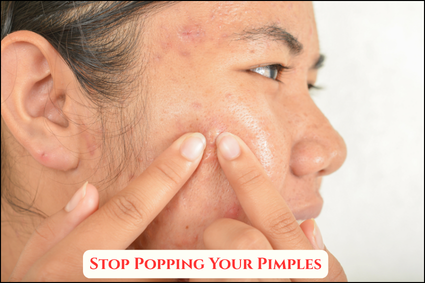
1. Stop Popping Your Pimples
We've all been tempted.
You notice a large pimple before an important meeting or family function, so you decide to squeeze it.
It seems harmless.
Unfortunately, this is one of the biggest mistakes people make.
When you press a pimple using your fingers, you don't always remove everything inside it. Instead, some of the contents may be pushed deeper into the skin. At the same time, bacteria from your fingers can enter nearby pores, increasing inflammation and the possibility of new breakouts.
Popping pimples can also increase the chances of:
- Acne scars
- Dark spots (post-inflammatory hyperpigmentation)
- Delayed healing
- Skin infections
What Should You Do Instead?
✔ Leave active pimples alone.
✔ Wash your face gently twice a day with a cleanser suitable for your skin type.
✔ If your acne is painful or severe, consult a qualified healthcare professional rather than trying to treat it yourself.
Your skin heals much better when it isn't constantly being irritated.
2. Don't Ignore What You're Eating
People often ask, "Doctor, does food really cause acne?"
The answer isn't as simple as yes or no.
Research suggests that certain dietary patterns may influence acne in some individuals. Everyone responds differently, but many people notice that frequent consumption of ultra-processed foods, sugary snacks, and unhealthy fats can worsen their skin.
Similarly, some individuals find that certain dairy products seem to trigger breakouts.
This doesn't mean everyone should completely avoid milk.
However, if the quality of dairy products is uncertain or heavily processed, it may be worthwhile to observe whether your skin changes after consuming them.
Simple Dietary Habits That Support Healthy Skin
Instead of focusing only on what to avoid, increase foods that nourish your skin:
🥗 Fresh vegetables
🍎 Seasonal fruits
🥜 Nuts and seeds in moderation
💧 Adequate water intake
🥣 Home-cooked meals
🍲 Balanced nutrition
From an Ayurvedic perspective, digestion plays an important role in overall health. Supporting healthy digestion through appropriate food choices and regular eating habits may also contribute to healthier skin.
3. Oily and Deep-Fried Foods Are Not Your Skin's Best Friend
Let's be honest.
Almost everyone loves foods like:
- Vada Pav
- Samosa
- French Fries
- Burgers
- Pizza
- Chips
There's nothing wrong with enjoying these occasionally.
The problem begins when they become a daily habit.
A diet that regularly includes large amounts of deep-fried and highly processed foods may contribute to inflammation in the body. For some people, this can be one of several factors associated with recurring acne.
Instead of aiming for perfection, aim for consistency.
Try the 80–20 Rule
Eat nourishing, balanced meals about 80% of the time, and enjoy your favorite treats occasionally without guilt.
Small changes are easier to maintain than extreme diets.
4. Your Mind Affects Your Skin More Than You Think
Have you ever noticed that your acne suddenly worsens during:
- Exam season?
- Deadlines at work?
- Relationship stress?
- Lack of sleep?
That's not a coincidence.
Stress triggers hormonal changes, including increased cortisol levels, which may contribute to acne flare-ups in some individuals.
Ayurveda has always emphasized the connection between mental well-being and physical health.
Many patients focus only on creams while completely ignoring:
- Sleep quality
- Emotional health
- Stress management
- Daily routine
These lifestyle factors can influence overall skin health.
Simple Daily Practices
✓ Sleep for 7–8 hours
✓ Practice meditation
✓ Deep breathing
✓ Yoga
✓ Regular exercise
✓ Spend time outdoors
Healthy skin begins with a healthy lifestyle—not just a skincare routine.
5. Stop Using Random Skincare Products Without Professional Advice
In today's world, skincare advice is everywhere.
One influencer recommends a vitamin C serum. Another swears by retinol. Someone else says niacinamide is the answer. Before you know it, your bathroom shelf is full of products—and your skin is more irritated than ever.
The reality is simple:
Your skin is unique.
A product that works beautifully for one person may cause irritation, dryness, breakouts, or allergic reactions in someone else.
Many people unknowingly damage their skin barrier by mixing active ingredients without understanding how they work.
Instead of improving acne, this can lead to:
- Increased redness
- Dryness and peeling
- Skin sensitivity
- More frequent breakouts
- Long-term pigmentation
A Better Approach
Before buying another trending product, ask yourself:
- What is causing my acne?
- Is my skin oily, dry, combination, or sensitive?
- Is this product suitable for my skin type?
- Am I treating the root cause or just the symptoms?
When in doubt, seek guidance from a qualified dermatologist or Ayurvedic physician who can recommend a personalized treatment plan.
What Does Ayurveda Say About Acne?
Ayurveda does not see acne as just a cosmetic concern.
Instead, it considers the skin a reflection of what's happening inside the body.
The classical Ayurvedic concept explains that internal imbalances can eventually become visible externally. Factors such as diet, digestion, daily routine, sleep, stress, and individual body constitution all influence skin health.
This is why Ayurveda focuses on treating the person, not just the pimple.
Rather than prescribing the same treatment for everyone, an Ayurvedic physician evaluates:
- Your Prakriti (body constitution)
- Lifestyle habits
- Digestive health
- Sleep pattern
- Stress levels
- Dietary habits
- Medical history
Only then is a personalized treatment plan developed.
This may include appropriate dietary advice, lifestyle modifications, external applications, and Ayurvedic medicines when clinically indicated.
A Simple Daily Routine for Healthier Skin
If you struggle with recurring acne, these habits may help support healthier skin.
Morning
✔ Wash your face gently with a suitable cleanser.
✔ Drink adequate water after waking.
✔ Eat a nutritious breakfast.
✔ Avoid touching your face unnecessarily.
Throughout the Day
✔ Stay hydrated.
✔ Include fresh fruits and vegetables.
✔ Reduce sugary drinks.
✔ Exercise for at least 30 minutes.
✔ Manage stress through breathing exercises or meditation.
Evening
✔ Remove makeup before sleeping.
✔ Wash your face gently.
✔ Avoid late-night snacking.
✔ Sleep for 7–8 hours.
Consistency matters far more than expensive skincare.
Foods That Support Healthy Skin
Although no single food can "cure" acne, a balanced diet supports overall skin health.
Consider including:
🥗 Green leafy vegetables
🥕 Carrots
🥒 Cucumber
🍎 Seasonal fruits
🥜 Nuts and seeds
🫘 Lentils
🥛 Clean, high-quality dairy (if tolerated)
💧 Plenty of water
These foods provide vitamins, minerals, antioxidants, and hydration that contribute to healthy skin.
When Should You Consult an Ayurvedic Doctor?
You should consider professional evaluation if:
- Acne has persisted for several months.
- Pimples are painful or cystic.
- Acne is leaving scars.
- Over-the-counter products aren't helping.
- Breakouts are recurring despite good skincare.
- Acne is affecting your confidence or emotional well-being.
A personalized assessment can help identify contributing factors and determine the most appropriate treatment plan for your individual needs.
Frequently Asked Questions (FAQs)
1. Can diet cause acne?
Diet alone doesn't cause acne, but certain dietary patterns may influence breakouts in some people.
2. Should I stop drinking milk if I have acne?
Not necessarily. Dairy affects people differently. If you suspect a connection, discuss it with a healthcare professional before making major dietary changes.
3. Is popping pimples bad?
Yes. It increases the risk of infection, inflammation, scarring, and pigmentation.
4. Can stress cause pimples?
Stress may contribute to acne flare-ups by influencing hormones and inflammatory processes.
5. Does Ayurveda treat acne?
Ayurveda offers a personalized approach that focuses on diet, lifestyle, and internal balance. Treatment should always be provided by a qualified Ayurvedic physician.
6. Which foods should I avoid?
Rather than eliminating entire food groups, try reducing highly processed foods, excessive sugar, and frequent deep-fried meals if they appear to trigger your acne.
7. Is oily skin the only reason for acne?
No. Hormones, genetics, stress, medications, skincare habits, and lifestyle can all contribute.
8. How long does acne treatment usually take?
Improvement varies from person to person. Consistency and addressing underlying causes are important for long-term results.
9. Can I use multiple acne products together?
Not always. Combining active ingredients without guidance may irritate the skin. It's best to follow a personalized routine.
10. Can acne be prevented?
While not every case can be prevented, healthy lifestyle habits, appropriate skincare, and early treatment can reduce the frequency and severity of breakouts.
Final Thoughts
Acne isn't simply about oily skin or poor hygiene.
It's often the result of multiple factors working together.
If you remember just one thing from this article, let it be this:
Healthy skin begins with healthy habits.
Instead of chasing every new skincare trend, focus on consistency, balanced nutrition, adequate sleep, stress management, and personalized medical advice.
Small lifestyle changes practiced every day often make a much bigger difference than expensive products used occasionally.
How Arogyanivesh Can Help
At Arogyanivesh Ayurved Clinic & Panchakarma Centre, we believe every individual deserves a treatment plan tailored to their unique needs.
Rather than offering a one-size-fits-all solution, we evaluate your skin concerns alongside your diet, lifestyle, sleep, stress levels, and overall health to understand the factors contributing to recurring acne.
If you're struggling with persistent pimples, acne scars, or repeated breakouts, consult a qualified Ayurvedic physician for a personalized assessment.
Your journey to healthier skin begins by understanding the root cause—not just treating what appears on the surface.